
Add to Your System
Start with the battery. Add everything else when it actually makes sense.
You do not need to buy the whole future of home energy in one go.
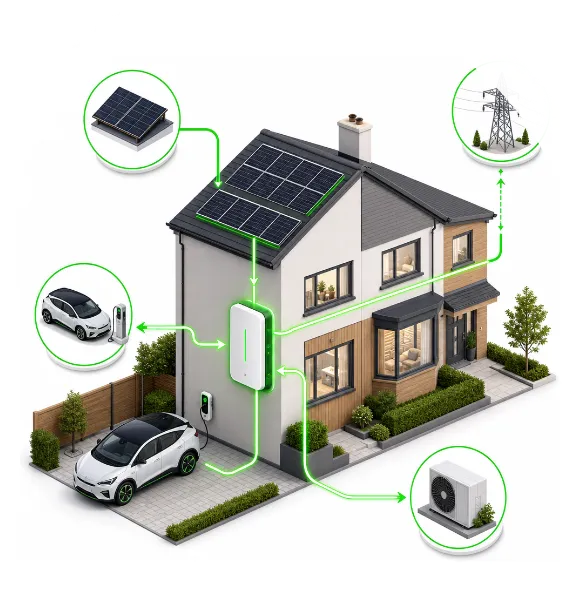
For many households, the smartest first move is the battery. It can start cutting costs by charging from cheaper off-peak electricity, reducing exposure to expensive peak pricing, and using intelligent control to improve results over time. Then, when the timing is right, you can build on that foundation with solar, EV charging, heat-pump readiness, hot-water optimisation, backup power, and even future export opportunities where eligible.
That is the Battery First approach: do the smartest thing first, then expand in the smartest order after that.

Savings.
Flexibility.
Optimisation.
Expansion.

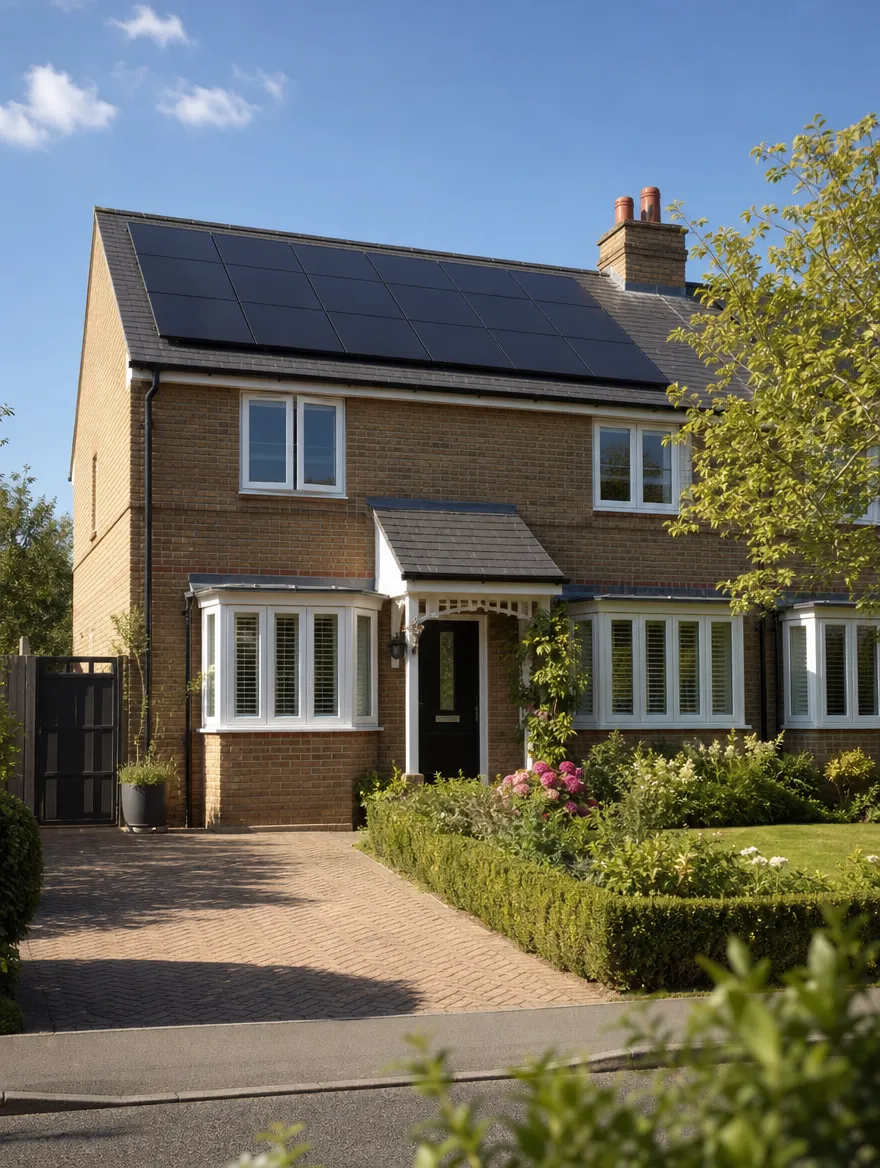
Solar Panels
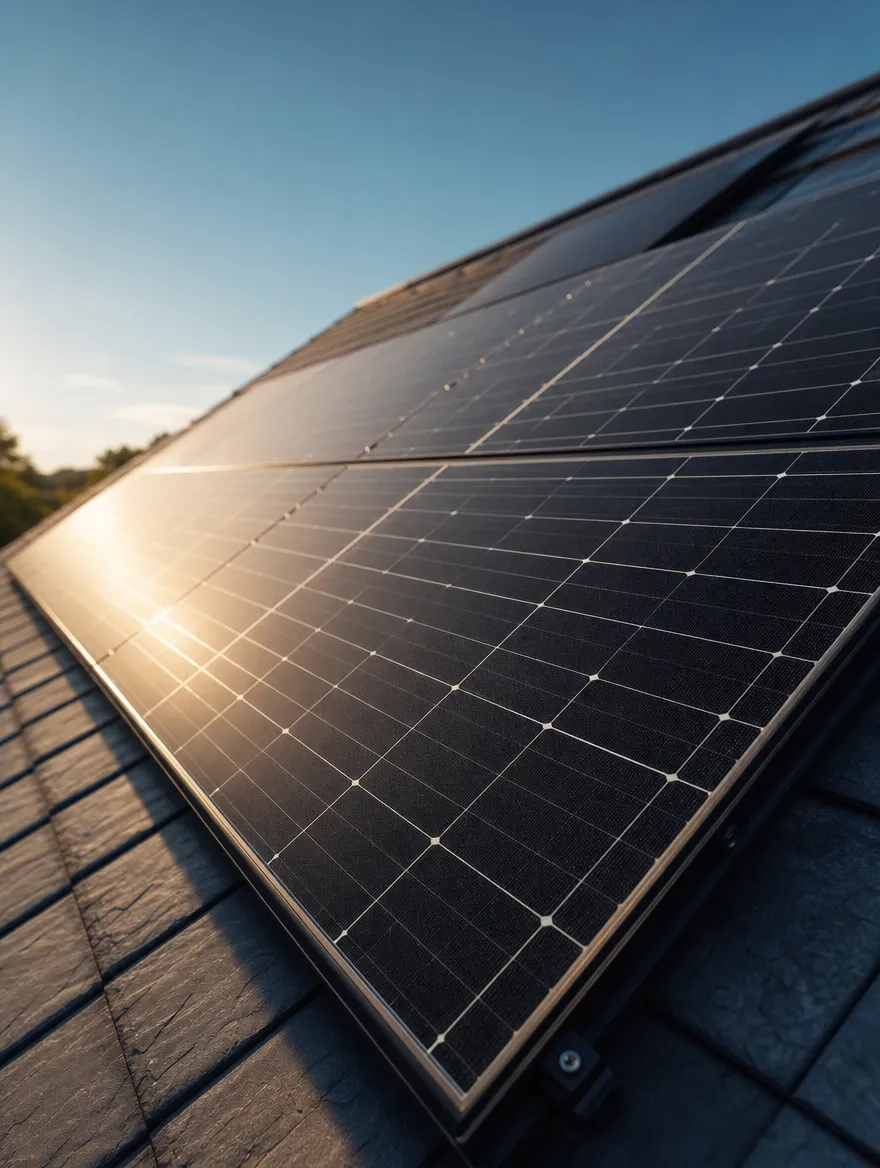
Solar panels can be one of the best additions to a modern home energy setup because they bring free daytime generation into the system. But the real value is not just what the roof produces. It is what that generation helps the home do: reduce imported electricity, support more of your daily usage, and improve the overall economics of the setup. Done properly, solar becomes more than a roof upgrade. It becomes a stronger long-term energy asset.
Generate free electricity
Turn daylight into usable power for the home instead of relying entirely on imported grid electricity.
Reduce daytime import
Use more self-generated electricity during the day and cut exposure to standard-rate electricity buying.
Support more of the home
Help cover everyday electricity demand across appliances, lighting and other household loads.
Strengthen long-term value
Add a lower-running-cost generation layer that can make the whole energy setup more productive over time.
EV Charging
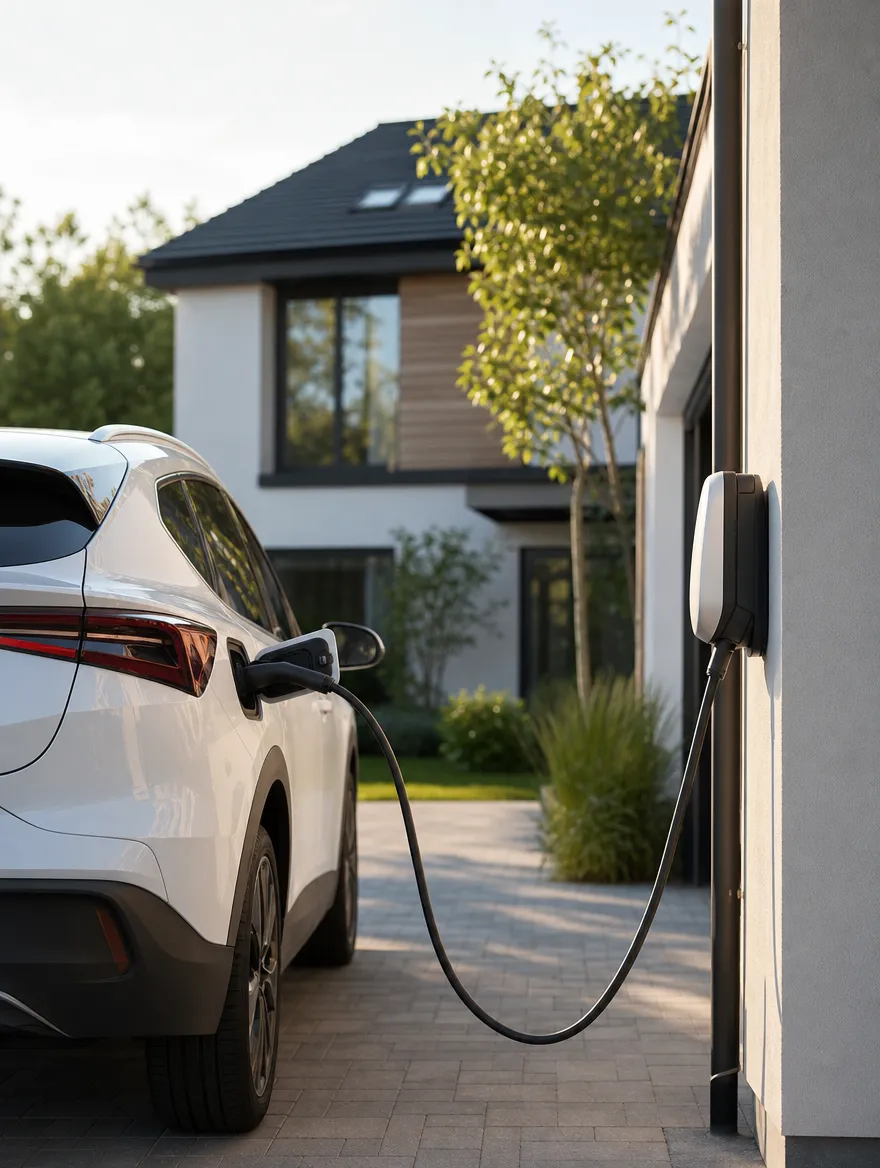
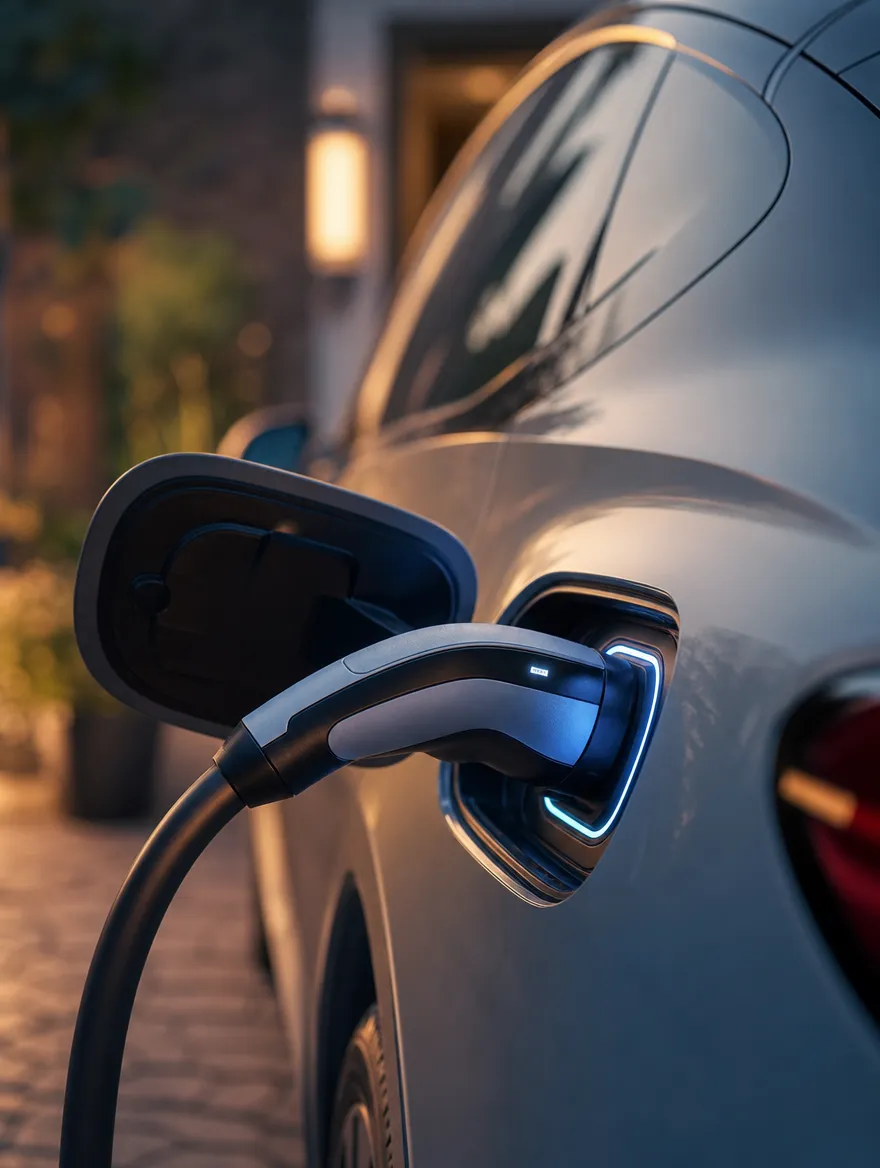
An EV charger can do far more than simply charge a car. It can become one of the most powerful cost-control upgrades in the home because vehicle charging is usually one of the largest and most flexible electricity loads a household will ever add. Managed well, it creates more opportunity to charge at better times, lower running costs and make the wider system work harder. An electric vehicle should not just add demand. It should create a smarter energy advantage.
Charge at better times
Make vehicle charging work around lower-cost electricity windows instead of relying on expensive habits.
Lower running costs
Cut the cost per mile by improving when and how the vehicle is charged at home.
Make demand more useful
A large controllable load gives the wider system more opportunity to operate intelligently.
Prepare for an electric future
As transport becomes more electric, EV charging becomes a key part of a smarter home energy plan.

Heat Pump Readiness
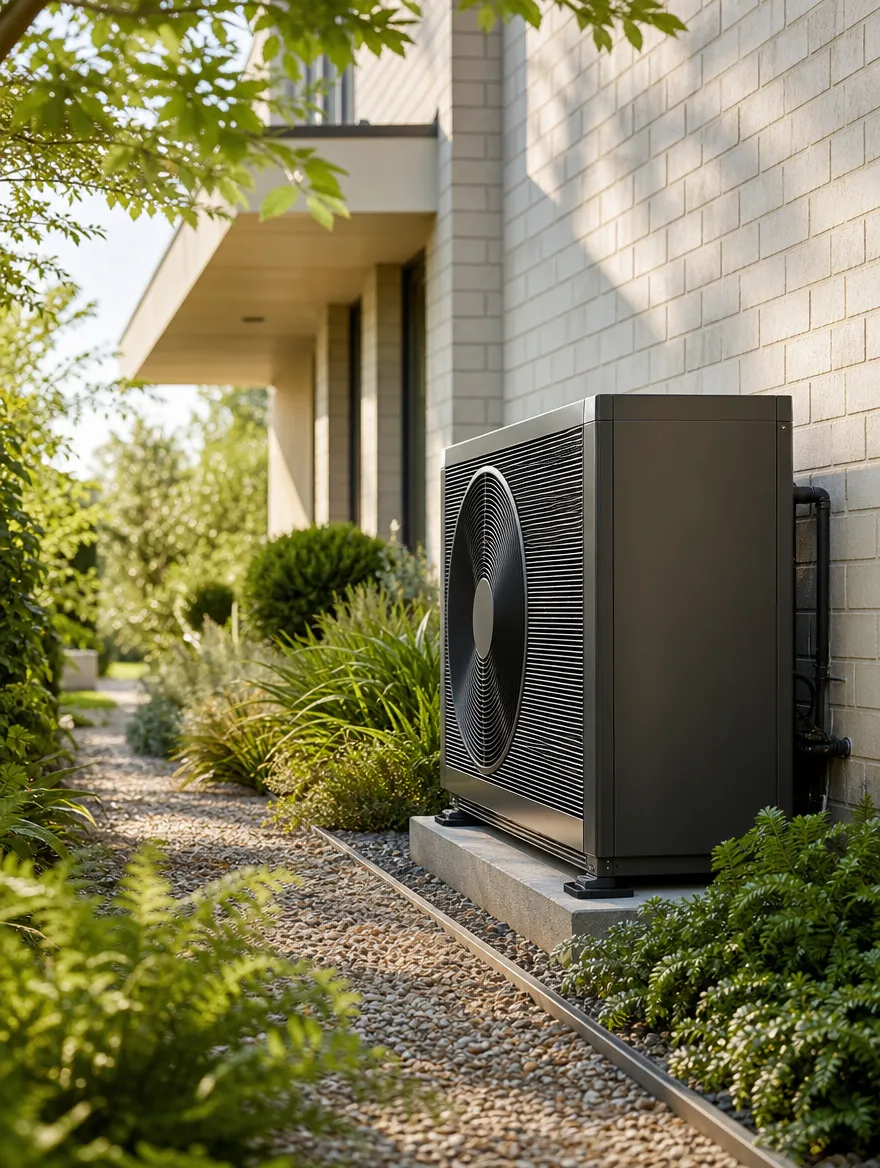
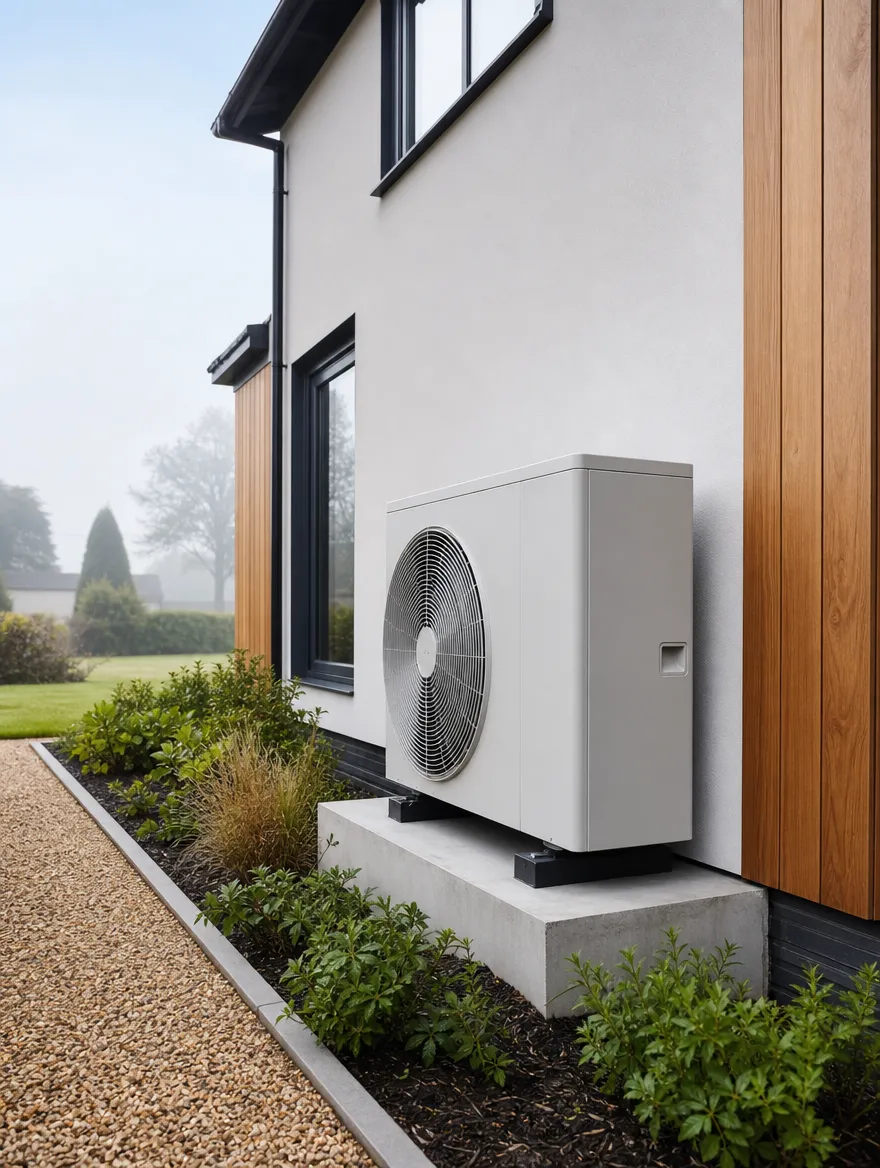
A heat pump can be a major step forward for households that want cleaner, more efficient heating. But it also changes the way a home uses electricity, because heating becomes a much bigger part of the overall demand profile. That is why it works best as part of a joined-up system. Added properly, a heat pump can support lower-carbon comfort, improve efficiency and help future-proof the home for a more electric way of living.
Support cleaner heating
Move more of the home’s heating demand onto an efficient electric system.
Prepare for higher electrical demand
As heating electrifies, the home needs smarter planning around usage, timing and system design.
Improve whole-home efficiency
A better coordinated setup can help heating work as part of the wider energy strategy.
Future-proof the property
Heat-pump readiness positions the home for where modern domestic energy is heading.
Hot Water Optimisation
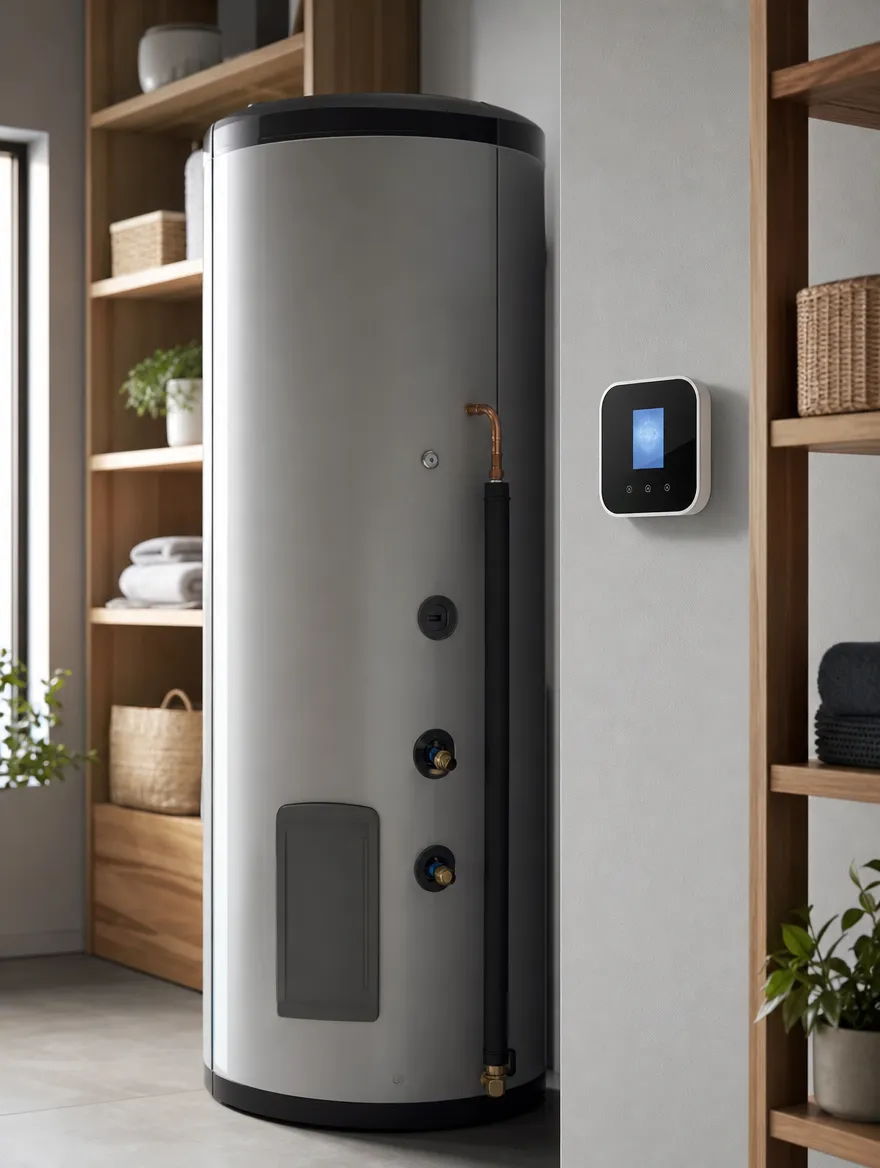
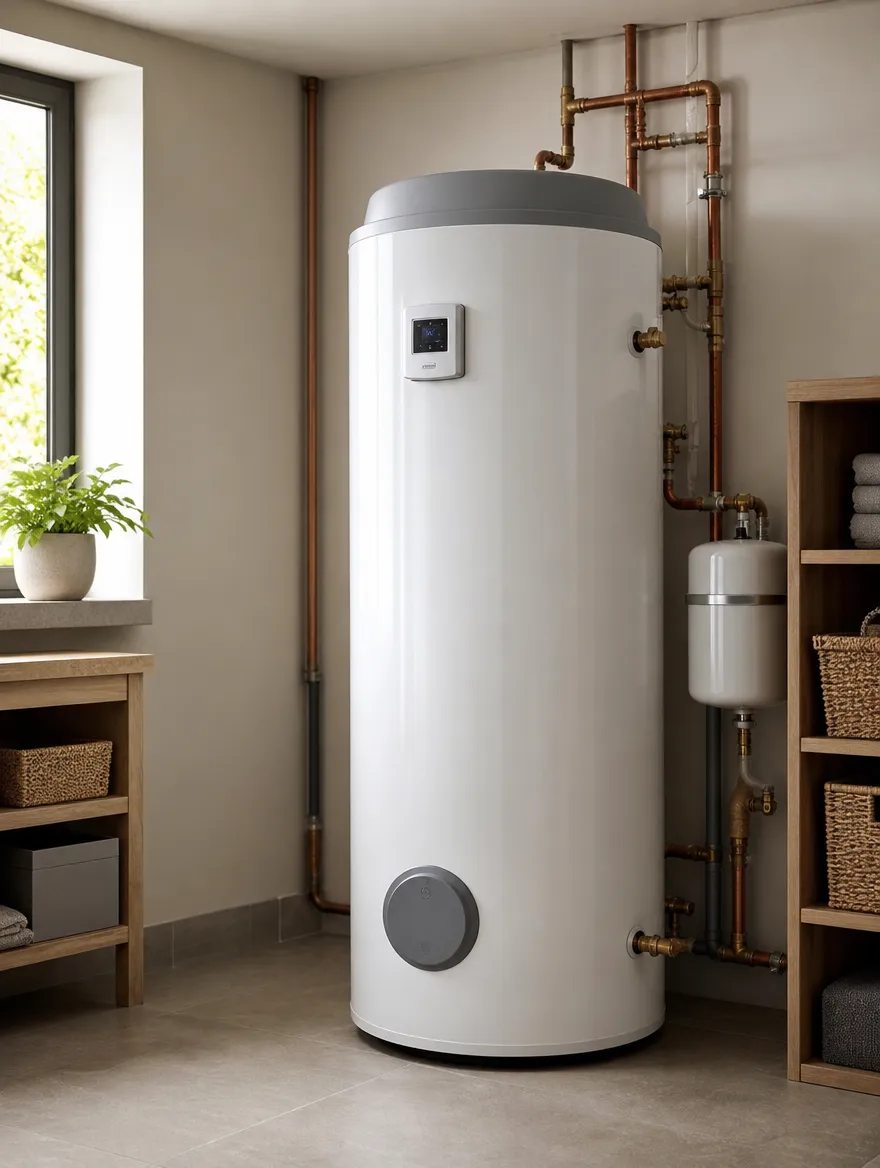
Hot water is often overlooked in home energy planning, but it can become one of the most practical additions in the whole setup. When electricity is used more intelligently, hot-water control creates another way to improve timing, reduce waste and get more value from available energy. It may not be the flashiest upgrade on the page, but in the right system it can quietly deliver everyday efficiency that keeps adding up.
Use energy more efficiently
Hot-water timing can help make better use of available electricity across the day.
Reduce avoidable waste
A more controlled setup avoids heating water less efficiently than necessary.
Add another optimisation layer
Hot water becomes another part of the system that can be managed more intelligently.
Create practical daily value
This is one of those upgrades that improves the home in simple, useful, everyday ways.

The best systems do not just do one thing well. They get stronger as the home evolves.
Lower Running Costs
Solar, EV charging, heating upgrades and smarter hot-water control can all improve how efficiently the home uses electricity and where money is saved.
A More Future-Ready Home
Homes are becoming more electric, more connected and more dependent on smarter energy decisions. The right upgrades help prepare for that shift.
More From Every Upgrade
Each addition should strengthen the wider setup, not sit in isolation. That is how systems become more valuable over time.
A Better Long-Term Position
The goal is not to collect technology. It is to build a home energy system that becomes more useful, more efficient and more commercially attractive as new layers are added.
If you are adding to the system, make sure the next upgrade is the right one.
Solar can add free generation. EV charging can transform running costs. A heat pump can support cleaner heating. Hot-water optimisation can improve everyday efficiency. The real win is choosing the additions that best fit your home, your usage and what you want the system to do next.

Buy electricity smarter. Store it. Use it. And when the time is right, sell it back.


Quick links
Other
© Battery 1st Energy. 2026. All Rights Reserved.